


Zoning Is Childish, unprogressive – Bugaje
By PHC Telegraph
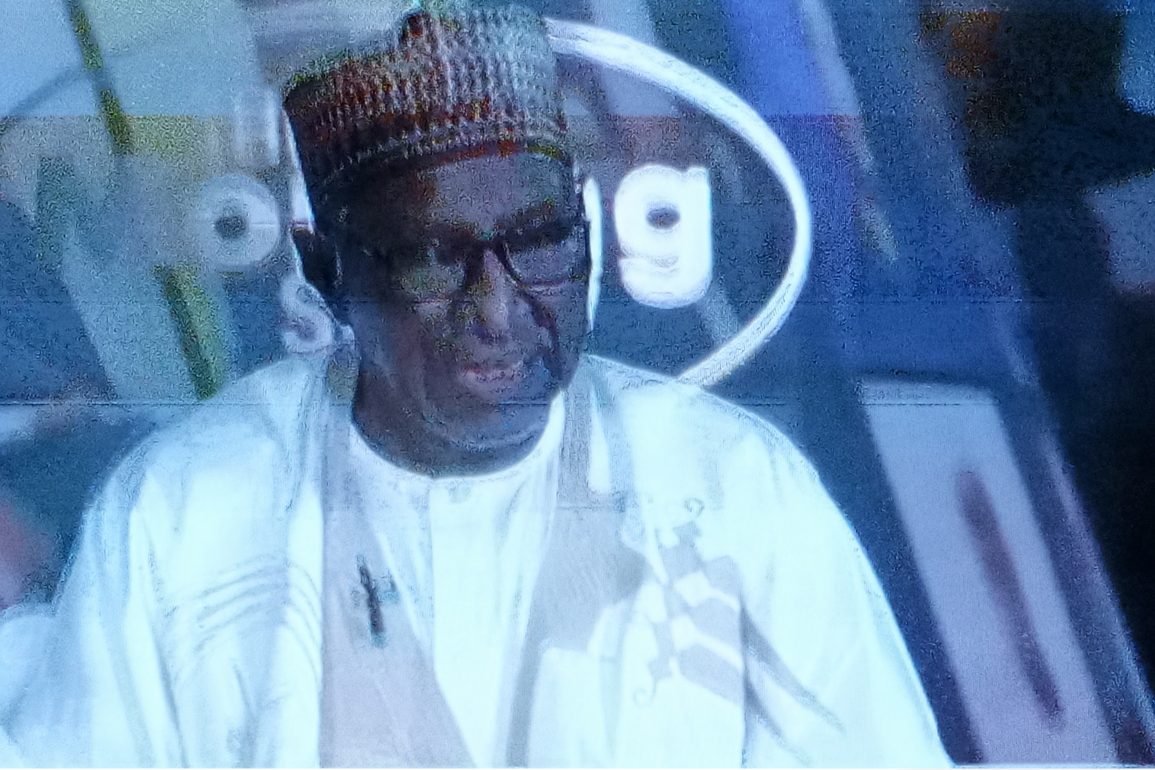
Dr Usman Bugaje, a civil society activist has dismissed the existing power sharing arrangement based on zoning, saying it has not helped Nigeria’s political, social and economic evolution.
Bugaje who appeared on the Monday edition of the Morning Show broadcast by AriseNews said in the last 25 years, Nigeria has retrogressed because it has been unable to raise competent and dependable leaders through zoning.
He described the zoning arrangement in place as childish, arguing there is no part of the country which cannot boast of rational, responsive or qualified persons who should be able to offer constructive leadership to the nation.
The activist warned that democracy is seriously under threat, saying from all indications, it is obvious Nigerians are not satisfied with the way democracy is being practiced by members of the political class.
Bugaje said despite Chief Olusegun Obasanjo’s strong denial of the existence of a third term plot during his tenure as president, there is evidence that he coveted the idea of extending his stay in office.
But he noted that the third-term agenda was shot down by the Nigerian people who vehemently resisted the move.
Obasanjo had said in Ghana that he did not ask anyone to pursue a third-tenure agenda on his behalf, challenging any Nigerian living or dead to come out and say he (Obasanjo) spoke with him to support a third tenure bid while serving as president.
The former president acknowledged that if he had really desired it, he could have achieved it.
The activist observed President Bola Tinubu has no business appointing the chairman of the Independent National Electoral Commission, INEC.
He however said in answer to question related to zoning that he would have no objection to the appointment of an INEC chairman from the Southwest provided that the appointee is qualified.
Incidentally, the Southwest and the North Central are the only regions that are yet to produce a chairman of the electoral Commission.
How to ensure a balance of power through a deliberate power sharing style, and the retention of what is seen as Nigeria’s federal character has worked in favour of zoning offices.