


Hormuz Shock: Rising Oil Prices Deepen Nigeria’s Economic Paradox
By Ogbonna Nwuke
The ripple effects of the United States’ blockade around the Strait of Hormuz are being felt far beyond the Persian Gulf, reaching deep into Nigeria’s already strained economic landscape.
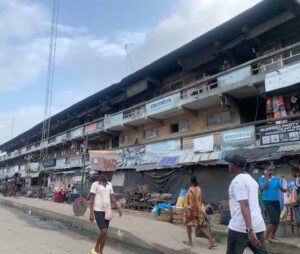
In Port Harcourt, the consequences are unfolding not in diplomatic circles, but in petrol stations, markets, and transport hubs where ordinary citizens are once again bracing for higher costs.
Global crude benchmarks such as Brent crude surged past the $100 mark in the immediate aftermath of the blockade, before settling in the mid-$90 range amid cautious optimism over possible diplomatic re-engagement. Yet, even at these moderated levels, the implications for Nigeria remain profound.
Fuel Prices Climb as Global Shock Hits Home
Nigeria’s dependence on imported refined petroleum products continues to expose it to external shocks. As crude prices rise, so too does the landing cost of petrol, placing upward pressure on pump prices across the country.
In Port Harcourt and surrounding communities, independent marketers are already adjusting prices in response to shifting supply costs. For residents, this translates into a familiar pattern: higher transport fares, increased cost of goods, and shrinking disposable income.
Despite being Africa’s largest oil producer, Nigeria’s limited domestic refining capacity means that fluctuations in global oil prices quickly translate into local economic strain.
Revenue Gains Offer Little Immediate Relief
Paradoxically, the same surge in oil prices is boosting government earnings. Increased export revenues through the Nigerian National Petroleum Company Limited are expected to strengthen federal finances and improve foreign exchange inflows.
However, these gains remain largely invisible to the average Nigerian.
For many, the disconnect is stark: while oil prices rise globally, living conditions at home deteriorate. The benefits of increased revenue are often absorbed by fiscal obligations, debt servicing, and structural inefficiencies, leaving little direct impact on household welfare.
The Naira’s Balancing Act
The exchange rate remains a critical variable in this equation. A stronger inflow of foreign exchange from oil sales could support the naira, potentially easing some of the pressure on import costs.
Yet, if currency instability persists, it may amplify the impact of rising crude prices, making fuel even more expensive domestically.
This delicate balance underscores Nigeria’s vulnerability—not just to oil price shocks, but to broader macroeconomic instability.

Inflationary Pressures Intensify
Beyond fuel, the effects are cascading across the economy. Transport costs are rising, pushing up food prices as goods move from rural farms to urban markets. Small businesses, many of which rely on diesel-powered generators, are also grappling with higher operating expenses.
In Rivers State, where economic activity is closely tied to both oil and commerce, the combined effect is particularly pronounced. Traders, transport operators, and artisans are adjusting prices almost daily, reflecting the speed at which global developments are influencing local realities.
Dangote Refinery: Promise Yet to Fully Materialize
Amid these pressures, attention has turned once again to the Dangote Refinery, widely seen as a potential game-changer for Nigeria’s energy independence.
While the facility has begun operations, it is yet to fully stabilize domestic fuel supply at a scale that could shield the country from international price volatility. Until that happens, Nigeria remains exposed to external disruptions such as the current Hormuz crisis.
A Familiar Paradox
The unfolding situation highlights a longstanding contradiction in Nigeria’s economic structure: the country benefits from high oil prices at the macro level, yet suffers their consequences at the micro level.
For policymakers, the crisis presents both an opportunity and a test—an opportunity to leverage increased revenues for structural reform, and a test of their ability to mitigate the immediate hardship faced by citizens.
For residents of Port Harcourt and millions of Nigerians, however, the reality is more immediate and less abstract. The global oil shock is not just a headline—it is a daily experience, measured in higher fares, rising food prices, and the persistent strain on household budgets.
As events continue to unfold in the Gulf, Nigeria watches closely—aware that decisions taken thousands of miles away will continue to shape the cost of living at home.