

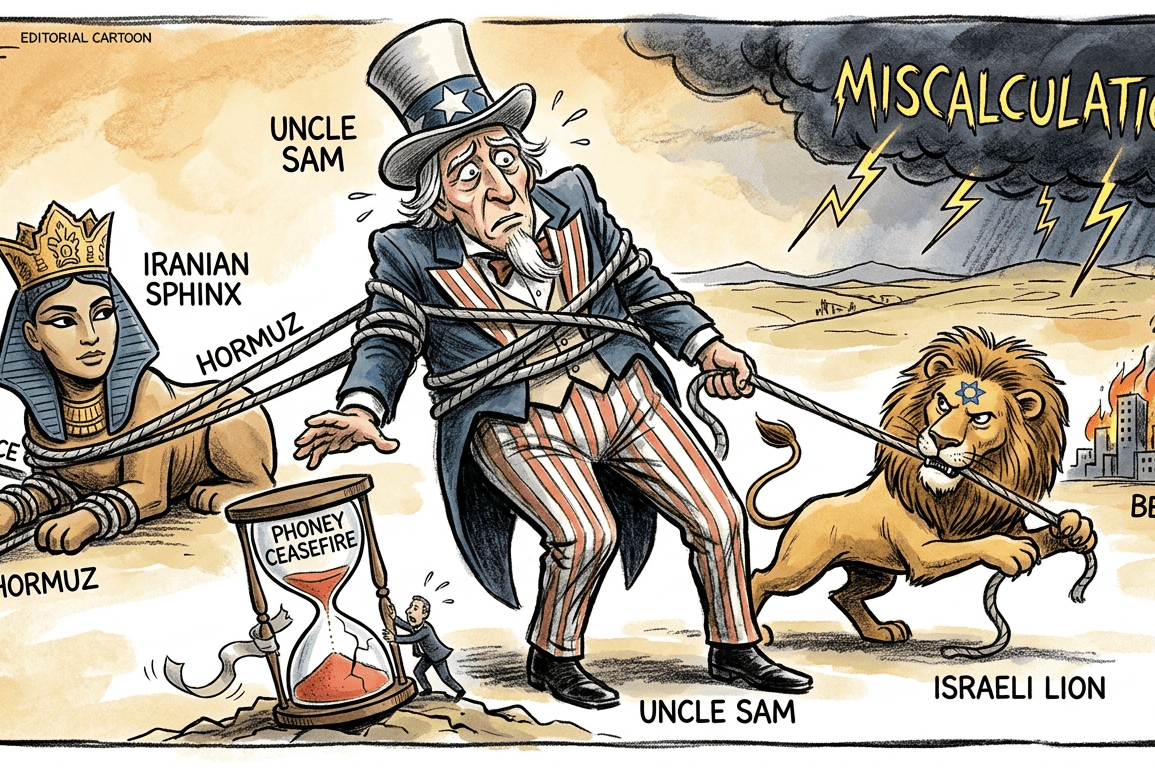

THE ILLUSION OF TRUCE: How “Phoney Ceasefires” Dragged Washington Into an Unwanted War
By Ogbonna Nwuke

The diplomatic vocabulary deployed in Western capitals has officially separated from the explosive realities of the Middle East. For months, the world has been fed a steady diet of “imminent breakthroughs,” “renewed truces,” and “proportional responses.” But following a week of catastrophic strategic friction, the veneer of diplomacy has cracked entirely.
Washington, despite its desperate attempts to orchestrate an exit ramp, finds itself firmly trapped in an asymmetric, multi-front war it explicitly sought to avoid.
The culprit is not a lack of dialogue, but a profound structural blindness: the fatal assumption by Washington and Tel Aviv that a resilient, modern Iran can be forced into signing a peace treaty written as an absolute surrender document.

The Two-Week Myth vs. The Reality at Hormuz
On Monday evening, June 8, while addressing a campaign rally in South Carolina, U.S. President Donald Trump confidently announced to the American electorate that the United States would declare “total victory” over Iran within the next two weeks. He painted a picture of an Islamic Republic on its knees, claiming Iranian negotiators “are ready to give us everything.”
Less than twenty-four hours later, that political showmanship collided head-on with a new era of Iranian military resolve.
The downing of the heavily armed helicopter over the strategic shipping lane, followed by immediate U.S. retaliatory strikes on Iranian air defenses and subsequent proxy alerts in Jordan and Bahrain, shattered the two-week timeline. It exposed the core illusion of Washington’s current posture: the belief that military leverage can instantly extract total capitulation.
The “Tail Wagging the Dog” Trap
The broader tragedy of American policy in the region is its complete loss of escalation control. While Washington attempts to isolate negotiations over Iran’s nuclear program, its closest regional ally, Israel, systematically detonates the diplomatic off-ramps.
The short-lived, U.S.-backed ceasefire plan announced on June 4 collapsed in spectacular fashion just three days later. On Sunday, June 7, Israeli Prime Minister Benjamin Netanyahu authorized airstrikes on Dahiyeh, the southern suburbs of Beirut, marking the first direct bombardment of the Lebanese capital since the latest truce took effect. The strike went forward despite explicit, high-level requests from Washington to spare the capital.
The response was instantaneous and structurally linked: Hezbollah escalated drone and rocket attacks against Israeli Defense Force (IDF) positions in southern Lebanon. Tehran, viewing Hezbollah as its vital forward deterrent against an existential strike, immediately launched a barrage of ballistic missiles directly targeting Israeli airbases.
By refusing to decouple its alliance from Tel Aviv’s unilateral military maneuvers, Washington has handed the matches to its allies and its adversaries alike, effectively allowing them to dictate when, where, and how American forces are dragged into battle.
The Blindspot: Misjudging the “New Iran”
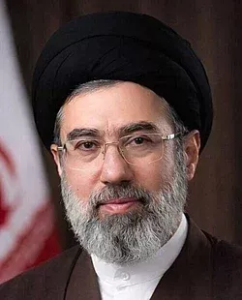
Why is a comprehensive peace agreement impossible under the current framework? Because Washington is negotiating with an Iran that no longer exists—a ghost of the isolated state from previous decades. U.S. strategists continue to operate on an outdated blueprint, assuming that years of crippling economic sanctions have left Tehran incapable of enduring a prolonged war of attrition. This is a severe miscalculation.
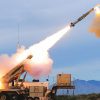
Tehran has spent the last decade adapting to Western pressure by constructing a deeply integrated “Resistance Economy” backed by solid geopolitical and financial lifelines to Beijing and Moscow. Furthermore, Iran’s military capabilities—specifically its highly sophisticated, indigenous drone networks and precision ballistic missile arsenals—are entirely self-sustaining. Iran is a proud, heavily armed regional power that views its regional transit control and asymmetric proxy alliances as non-negotiable survival assets.
To expect the Iranian regime to permanently freeze its nuclear enrichment, abandon the “Axis of Resistance,” and yield control of the Strait of Hormuz is to expect them to sign their own death warrant. They will choose asymmetric warfare every single time over a peace agreement that demands their humiliation.
A Region Locked on the Escalation Slide
There is no doubt what the situation is. Tension is escalating. War is looming afresh in the Middle East. America has launched another round of attacks at Iran. Will Iran vow retaliation?
America appears to have walked blindly into a structural trap set by a roaring Israeli lion which said war could be over before it even started if Trump played along. Now, the American people know better. Washington has to contend with the Iranian Sphinx – proud, unbending and unyielding – to cut the kind of deal the U.S wants.l under Donald Trump.
The world holds its breathe as Gulf states prepare for another wave of hostilities which could turn the beauty of their civilization into rubble. What will happen next? Will there be a costly miscalculation on the side of the United States? Will it be from Iran or Israel? Will reason prevail over a sense of unwavering dominion?
When Allied Defiance and Asymmetric Deterrence remain high while Diplomatic Flexibility stays rigidly low, the system naturally defaults away from a truce and toward total systemic conflict.
The Telegraph Verdict:
True journalism requires calling realities by their proper names. The current “ceasefires” are not peace drivers; they are merely pauses to reload.
Until Washington realizes that a durable peace cannot be built on the document of an adversary’s total surrender, American foreign policy will remain trapped in a dangerous cycle—waiting for the single inevitable miscalculation that transforms this rolling, fragmented conflict into an uncontainable regional firestorm