

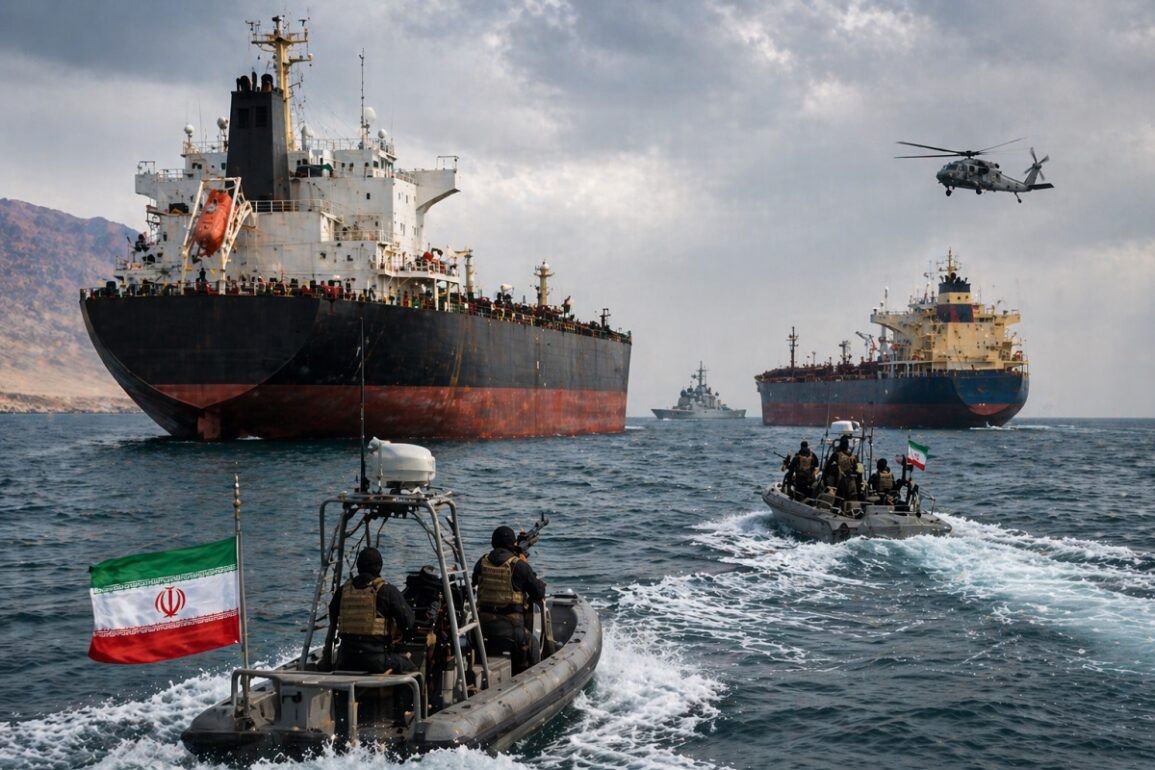

Developing Story: Tensions Rise in Gulf as Iranian Vessels Transit Strategic Waters Unchallenged
By Ogbonna Nwuke

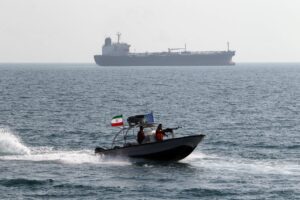
Reports of vessels linked to Iran transiting sensitive waterways in the Gulf without interception have heightened tensions and triggered fresh debate over maritime security in the region.
The movements, said to have occurred within or near the Strait of Hormuz, come amid an already fragile standoff involving the United States Navy and Iranian forces. The narrow passage remains one of the world’s most critical energy corridors, handling a significant share of global crude shipments.
U.S. officials have not described the situation as a breakdown of control, but acknowledge that the operating environment in the Gulf has become increasingly complex. Naval assets under the U.S. Fifth Fleet continue to monitor activity across the region, with an emphasis on ensuring freedom of navigation.
Iranian authorities, for their part, have maintained that movements within the Gulf fall within their sovereign rights and have repeatedly warned against what they describe as external interference in regional waters.
The latest developments come against the backdrop of heightened geopolitical friction, with Washington and Tehran locked in a prolonged contest marked by sanctions, maritime incidents, and periodic military posturing.
While some commentators have characterised the situation as a weakening of U.S. influence, defence analysts caution that no formal naval blockade exists in the traditional sense. Instead, they describe an evolving security landscape in which both sides are testing limits while seeking to avoid direct confrontation.
Beyond the immediate actors, the developments are being closely watched by major economies dependent on Gulf energy supplies, including China and India. Any sustained disruption in the waterway could have significant implications for global oil markets and shipping costs.
In United States, attention has also turned to developments within the national security establishment following reports of leadership changes linked to the administration of Donald Trump. Officials have not publicly connected those changes to operations in the Gulf, but analysts note that such shifts can influence policy direction during periods of heightened tension.
European governments, including key members of the European Union, have called for restraint and the protection of maritime routes, underscoring the broader international stakes.

For now, there has been no confirmation of direct confrontation at sea despite the clamp down on ships by both sides. Iran has two ships in its possession while the US has one.
President Donald Trump has said the seizure of two ships by Iran around the Strait of Hormuz does not amount to the disruption of the ceasefire.
However, the combination of increased naval activity, contested narratives, and strategic caution points to a volatile situation that could escalate if miscalculations occur.
In the meantime both sides may flex all the muscle, but there are strong signs that they would do what they can to prevent a head on collision that may threaten global security and stability
More details are expected as the story develops.