

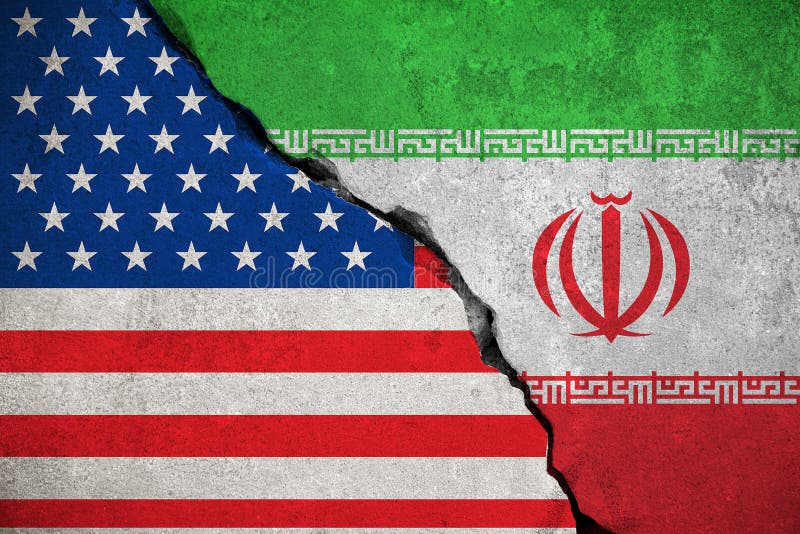

Silence from Tehran: Calculated Defiance or Prelude to Confrontation?
By PHC Telegraph
A curious quiet has descended over Iran.
In the face of renewed overtures and shifting deadlines from Donald Trump, Tehran has chosen neither to engage nor escalate publicly. No formal rejection. No acceptance. Just silence.
For seasoned observers of U.S.–Iran relations, that silence may be the message.
A Diplomatic Pause—or Strategic Signal?
Washington’s recent posture has been anything but steady. Signals suggesting a possible return to talks have been followed by hardened rhetoric, including deadlines that appear to have come and gone without consequence.
Compounding the uncertainty is the reported cancellation of a planned regional trip by JD Vance—a move analysts interpret as a sign that diplomatic pathways may not be as open as initially suggested.
Against this backdrop, Iran’s refusal to respond publicly is unlikely to be accidental. In diplomatic terms, silence can serve as strategic resistance—a refusal to legitimise pressure-driven negotiations or concede narrative control.
Testing Resolve in the Gulf
At the heart of the tension lies the reported U.S. naval posture in the Gulf—described by Tehran as a blockade that must be lifted before any meaningful engagement can occur.
Rather than confront this directly, Iran appears to be absorbing the pressure while recalibrating its options.
This raises a critical question: is Tehran calling Washington’s bluff?
Partially, perhaps—but not without caution.
Iran’s leadership has long operated on the principle of calibrated defiance—pushing back just enough to assert sovereignty, but stopping short of triggering overwhelming retaliation. Silence, in this context, becomes a tool of leverage.
Washington’s Mixed Signals
For its part, the administration of Donald Trump appears to be navigating between coercion and engagement.
Deadlines, followed by apparent retreats. Pressure, paired with invitations to negotiate.
Such dual messaging can be a tactic—designed to keep an adversary off balance. But it also carries risks. If perceived as inconsistency, it may embolden Tehran to wait out the pressure rather than yield to it.

The Shadow of Miscalculation
Despite the rhetorical escalation, a full-scale war remains a distant—but dangerous—possibility.
Both sides are acutely aware of the stakes:
A direct U.S.–Iran conflict could ignite a wider regional war, drawing in state and non-state actors
Global oil supply routes would face immediate disruption, with economic shockwaves far beyond the Middle East
Military escalation could quickly outpace diplomatic control, particularly if triggered by an incident at sea
In such an environment, the greatest risk may not be deliberate war, but accidental escalation.
Face, Power, and the Politics of Restraint
At the core of the standoff lies a familiar dilemma.
Iran cannot afford to appear weak—neither to its domestic audience nor to its regional allies. The United States, likewise, cannot project indecision without undermining its own strategic posture.
The result is a high-stakes contest of endurance: Washington applies pressure, seeking compliance or engagement while Tehran withholds response, seeking leverage and time
Neither side blinks. Not yet.
What Comes Next?
If current patterns hold, the most likely scenario is not immediate war, but a prolonged phase of controlled tension:
Continued military signalling in the Gulf
Backchannel diplomacy, away from public view
Incremental escalations short of open conflict
The silence from Tehran, then, is not absence. It is strategy.
And in a confrontation defined as much by perception as power, that strategy may prove as consequential as any missile or mandate.
This remains a developing geopolitical story, with implications for global security, energy markets, and regional stability.