


NOVEMBER RAINS: FLOODPLAIN COMMUNITIES STILL FACE UNCERTAINTY
Coastal rainfall may persist as evidence of widespread floodwater recession remains unconfirmed
By PHC Telegraph
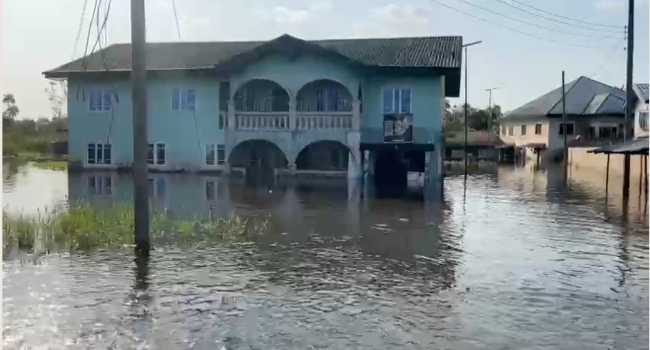
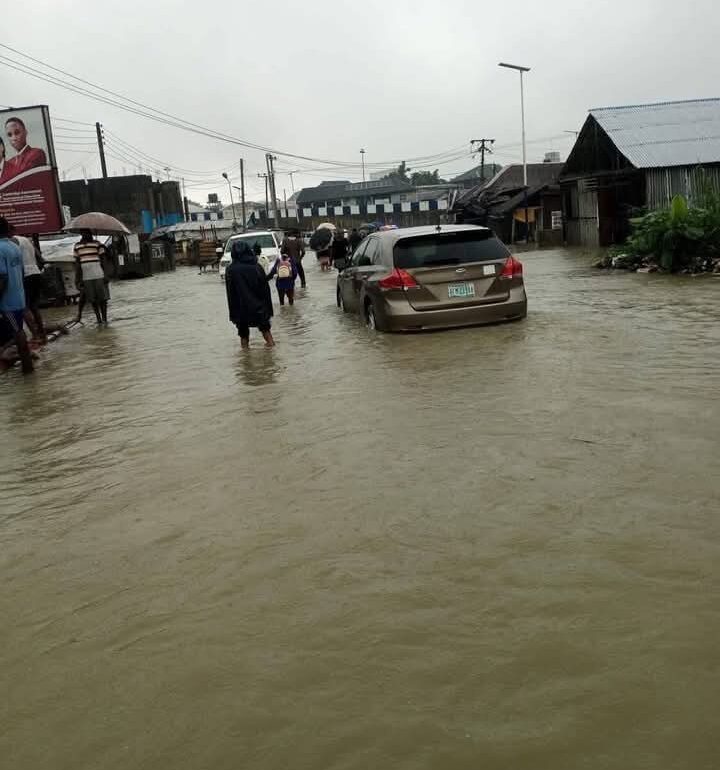
Residents of flood-prone communities in Rivers State and the wider Niger Delta face an uncertain passage into November, with the possibility of continued rainfall and insufficient verified evidence to establish that floodwaters are retreating across the region.
Although the approach of the dry season offers hope of relief, available forecasts do not support an immediate declaration that the danger has passed. For families in low-lying settlements, the outlook depends on more than the amount of rain falling over their homes.
River levels, water arriving from upstream, drainage conditions and coastal tides will also influence how quickly submerged land becomes accessible again.
The Nigerian Meteorological Agency’s original 2026 Seasonal Climate Prediction placed the end of the growing season across much of the coastal belt, including Rivers, Bayelsa and Delta, in December. The projection provides a basis for expecting rain to remain possible during November, although it does not establish how frequently or heavily it will fall in individual communities.
Those seasonal dates require careful interpretation. They relate to agricultural growing conditions and soil moisture, rather than a fixed day on which the last rain will fall.
A verified NiMet rainfall chart specifying November 2026 totals for Port Harcourt and individual Rivers communities was not available to this report as of October 28. Exact monthly rainfall amounts and claims of uninterrupted heavy downpours therefore remain unconfirmed.
The agency’s updated seasonal forecast issued in August covers August to October and cannot be treated as a November rainfall forecast.
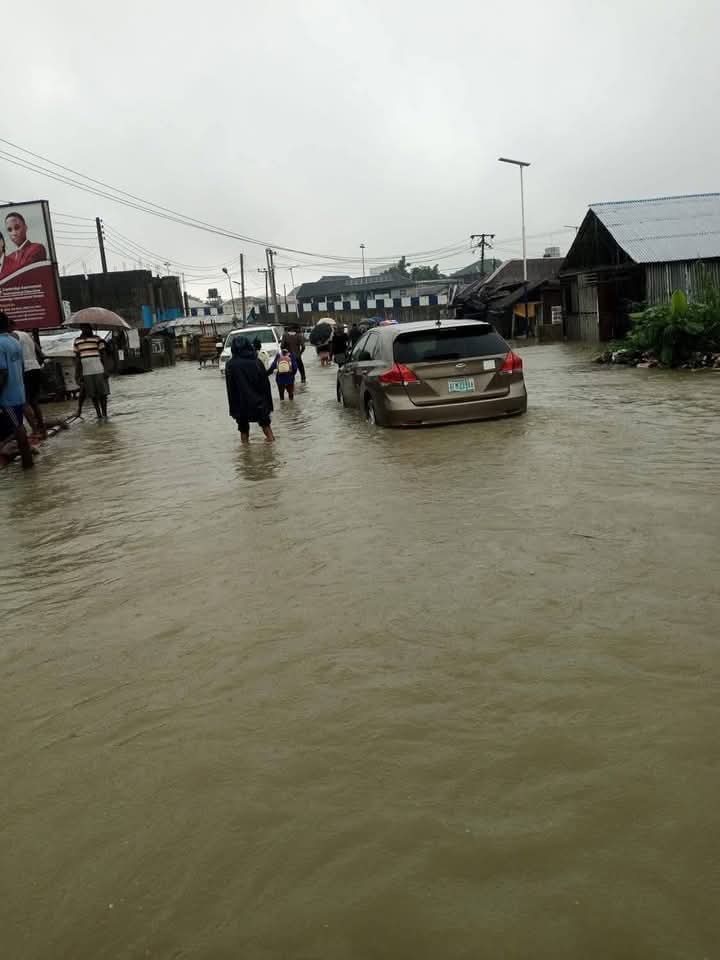
The latest short-range outlook examined presents a more varied picture than continuous torrential rain. NiMet’s forecast for October 27–29 indicated moderate rainfall over parts of Rivers and neighbouring states on the first day, followed mainly by light rainfall and thunderstorms across the South-South during the following two days.
That outlook demonstrates the continuing possibility of rain but does not determine conditions throughout November.
For floodplain communities, the more pressing question is whether water already occupying homes, farms and access routes is withdrawing.
There is currently insufficient verified information available to this report to establish a consistent pattern of recession across Rivers State. A reliable assessment would require successive river-level measurements, dated observations from affected settlements and updated maps showing changes in the extent of inundation.
The Nigeria Hydrological Services Agency’s October–November 2026 risk mapping identifies exposed communities in Bayelsa and Delta, as well as infrastructure in Rivers. However, the mapping is a seasonal projection issued in April. It does not establish which locations are submerged today or whether water levels are rising or falling.

The distinction matters because reduced rainfall does not necessarily produce an immediate fall in river levels.
Floodwater moving downstream can sustain inundation after local rainfall has eased. Water stored across a floodplain also drains gradually back into river channels, extending the period during which surrounding land remains wet or submerged. Consequently, relief in one settlement may coincide with continuing difficulties farther downstream.
In tidal communities, coastal water levels add another influence. Rainfall runoff, tides and other coastal conditions can combine to affect inundation, making the return to normal conditions uneven across creeks and estuaries.
For displaced households, falling water would represent an important improvement, but recovery could still involve contaminated water, damaged property and disrupted access to livelihoods.
NIHSA advises residents to avoid walking or driving through floodwater and to return to affected homes only when authorities say it is safe.
As November approaches, the outstanding question is how quickly individual communities will recover—and whether further rainfall or river flows will interrupt that process. Dated local assessments and measured water-level trends are needed to give residents a dependable answer.