

BATTLE FOR HORMUZ: US, IRAN RETURN TO WARPATH
● Washington bombs Iranian launchers
● Tehran attacks US bases in Jordan, UAE
● Oil jumps above $90
● Trump raises spectre of attack on Iran’s oil lifeline
● Fresh fighting threatens fragile peace effort
By PHC Telegraph
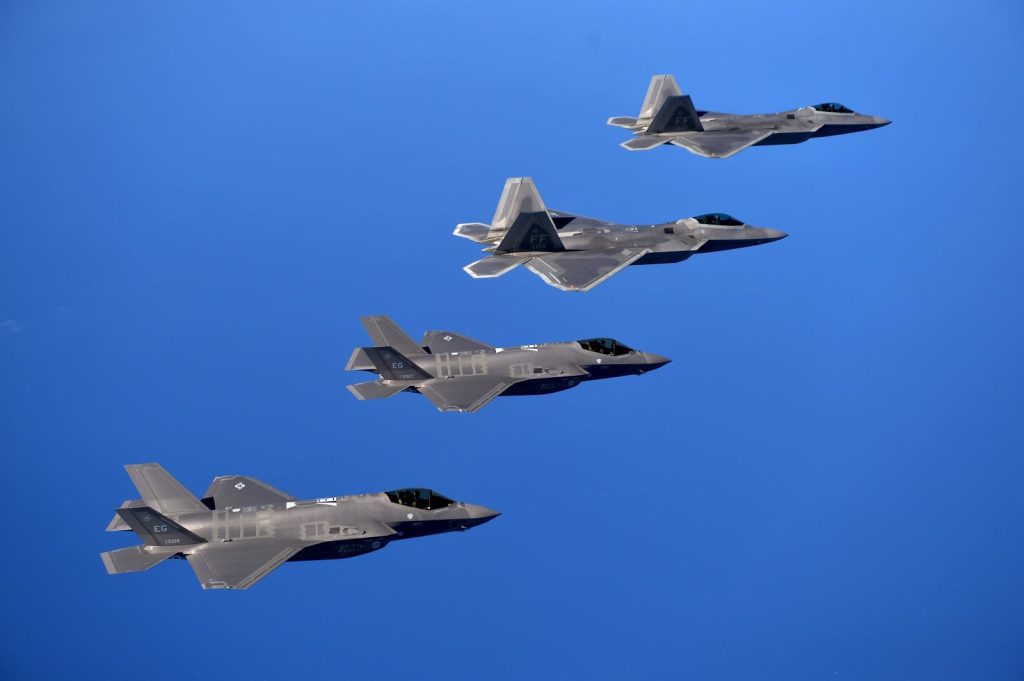
The guns are roaring again in the Persian Gulf. After weeks of relative restraint and diplomatic manoeuvring, the United States and Iran have returned to direct military confrontation, raising fears that the six-month conflict could enter another dangerous phase and further disrupt the movement of oil through the Strait of Hormuz.
American forces on Sunday attacked two Iranian launchers on Larak Island, a strategically located island close to the shipping lanes through the Strait of Hormuz.
It was the first known American military strike on Iranian territory since late July. Washington said the strike was carried out after forces belonging to Iran’s Islamic Revolutionary Guard Corps, IRGC, were observed preparing rockets capable of deploying sea mines into the Strait.
US Central Command described the operation as a limited and precise action intended to eliminate an imminent threat to civilian shipping and international commerce.
Iran insists otherwise. The IRGC said the American attack killed and injured Iranian military personnel and civilians and immediately warned that Washington would be punished.
IRAN STRIKES BACK
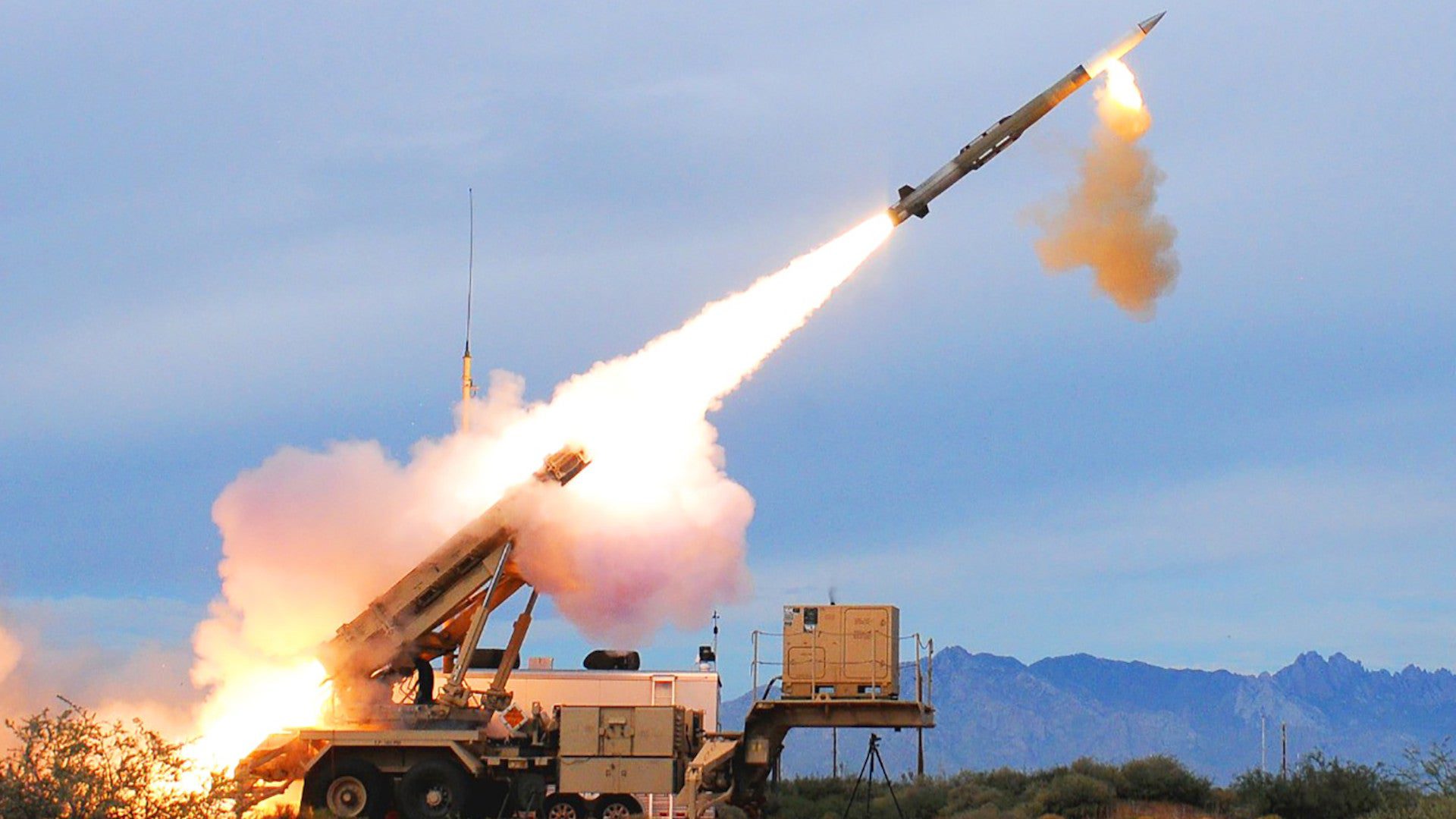
Tehran did not wait long. Iran’s Revolutionary Guards announced early Monday that ballistic missiles had been launched against two bases used by American forces in Jordan — King Hussein and Al-Azraq.
Iran claimed technical facilities, maintenance installations and areas used by combat aircraft were hit.
Jordan, however, said its air defences intercepted eight missiles which entered its airspace before they could cause damage. Iran’s claims of heavy damage to the bases have not been independently established.
But the Iranian retaliation appears to have spread beyond Jordan. Iran’s military subsequently announced that it had launched dozens of drones against American forces and helicopters stationed at Al Minhad Air Base in the United Arab Emirates.
The renewed fighting therefore has the potential to drag America’s Gulf allies deeper into a confrontation which both Washington and Tehran had appeared anxious in recent weeks to contain.
HORMUZ AT THE HEART OF THE WAR
Behind Sunday’s exchange of fire lies the real strategic prize — the Strait of Hormuz. Before the conflict, approximately one-fifth of the world’s oil supply passed through the narrow waterway.
Iran’s ability to obstruct shipping through Hormuz consequently provides Tehran with one of its most powerful weapons against the United States and the global economy.
The US military says it recently completed the removal of mines from international shipping routes through the Strait and has warned that attempts to lay new mines will be stopped.
Iran, on the other hand, continues to insist that Washington cannot dictate the terms under which the strategic passage operates.
That collision of interests appears to have triggered the latest confrontation. In effect, the battle is no longer simply about Iran’s nuclear ambitions or American military power.
It is increasingly becoming a battle for control of the world’s most important oil passage.
TRUMP RATTLES KHARG ISLAND
President Donald Trump added another explosive dimension to the crisis when he posted a message suggesting that Kharg Island — the heart of Iran’s oil-export infrastructure — was being destroyed.
Kharg is extraordinarily important to Tehran. Before the war, the island handled about 90 percent of Iranian oil exports.
An actual American attack on the facility would therefore represent a major escalation from targeting military infrastructure to directly attacking the economic lifeline of the Iranian state.
But there is an important qualification. There was no independent evidence as of Monday morning that Kharg Island had actually been attacked.
Reuters established that the dramatic video accompanying Trump’s social-media post was most likely artificially generated, while neither the White House nor the Pentagon immediately confirmed an attack.
An Iranian official subsequently dismissed Trump’s claim. The PHC Telegraph therefore cannot presently treat the destruction of Kharg Island as an established fact.
What Trump’s intervention does demonstrate, however, is how easily the confrontation could escalate from a battle over Hormuz into a direct assault on Iran’s petroleum infrastructure.
OIL SHOOTS ABOVE $90
World oil markets reacted almost immediately. Brent crude climbed about 2.7 percent to approximately $90.51 per barrel in early Monday trading as investors priced another Middle East risk premium into crude. Only Friday, Brent had settled at $89.31.
The renewed confrontation therefore threatens to reverse expectations that diplomatic efforts could gradually reopen the Strait and stabilise international energy markets. And this is where events thousands of kilometres away become important to Nigerians.
WHAT IT MEANS FOR NIGERIA
Nigeria ordinarily benefits when international crude prices rise because petroleum exports generate additional dollar earnings and potentially improve government revenues.
But there is another side to the equation. Nigeria remains exposed to international prices for refined petroleum products and to the dollar cost of energy-related imports.
If Hormuz remains disrupted and crude continues climbing, the landed cost of petrol and other products could increase. That means Nigerians could eventually face renewed pressure from: higher petrol prices, increased transportation costs, higher production expenses and another round of inflationary pressure.
The Federal Government could therefore find itself confronting an uncomfortable contradiction: more dollars from expensive crude but greater hardship arising from expensive fuel.

DIPLOMACY IN TROUBLE
The timing of Sunday’s fighting is particularly worrying. Pakistan, Qatar and other intermediaries have spent months attempting to bridge the differences between Washington and Tehran.
A ceasefire earlier reduced the intensity of fighting, while subsequent negotiations focused partly on arrangements governing navigation through Hormuz.
But no comprehensive peace agreement followed. Instead, Washington intensified economic pressure on Iran while Tehran maintained its leverage over the Strait.
The Trump administration is now preparing additional secondary sanctions against institutions doing business with Tehran. US Treasury Secretary Scott Bessent has indicated that further measures could be introduced repeatedly as Washington attempts to squeeze Iran financially.
The strategy appears increasingly clear: America is combining military pressure around Hormuz with economic warfare against Tehran.
Iran’s response is equally apparent: If its economy is squeezed and its territory attacked, American forces and interests across the Gulf will remain potential targets.
Iranian President Masoud Pezeshkian says Tehran does not want a wider war but will respond decisively to further attacks.
WHAT HAPPENS NEXT?
Three developments will determine whether Sunday’s exchange remains another contained confrontation or becomes the beginning of a much larger battle.
The first is Hormuz. Any fresh attempt by Iran to mine the international shipping lanes could almost certainly provoke additional American attacks.
The second is Kharg Island. Should Washington actually attack Iran’s principal oil-export hub, Tehran would probably regard such action as a dramatic escalation of America’s war objectives.
The third is Iranian retaliation. If American personnel are killed in Jordan, the UAE or elsewhere in the Gulf, President Trump would come under enormous pressure to respond militarily.
For the moment, both sides continue to speak the language of limited objectives. Yet their forces are shooting at one another again. Tankers are operating under extraordinary risk. Iran is attacking facilities hosting American forces outside its borders. And oil has returned above $90.
After weeks in which diplomacy appeared to offer a possible exit, the Persian Gulf is once again sitting dangerously close to the edge.
The battle for Hormuz has resumed.